


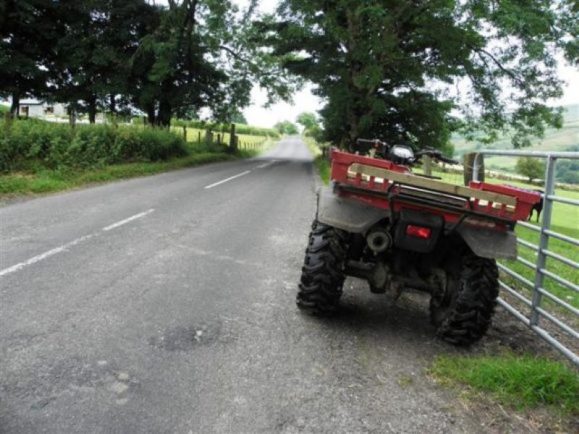
RURAL crime continues to blight farmers across Warwickshire.
Despite the overall cost of crime to farmers in the region falling by more than a fifth in 2025 – costing an estimated £6.4million, down from £8m the previous year – there were worrying trends.
The cost of quad bike theft claims in the region rose ten per cent. The capabilities that make these vehicles indispensable to farmers also make them highly attractive to thieves, leaving them consistently at risk of targeted criminal activity.
And the cost of livestock theft in the Midlands also increased by 13 per cent. Although it dates back centuries, this crime has become highly organised, in line with the wider trend in rural crime.
Rearing livestock is a long-term investment of time, planning and labour, which is why the theft of farm animals can be traumatic for farmers and their families, both financially and emotionally.
Hannah Binns, rural affairs specialist at Stratford-based NFU Mutual, added: “Rural crime is more organised than ever, with criminals prepared to go to extreme lengths, and 2025 proved no exception.
“The impact of rural crime extends beyond financial loss, undermining trust and connection, often leaving a trauma that can remain with farmers, their families and wider communities for a lifetime.
“Alongside the fall in cost across the region and the UK, there are signs that the co-operation between government, police, farmers, rural communities, insurers, and manufacturers is bearing fruit in the fight against rural crime.
“But we cannot afford to be complacent. With proposed policing reforms on the horizon, it is crucial rural crime teams receive fair resources and specialist support to empower local forces to respond quickly to countryside incidents caused by organised and serious criminals.
“Only a continued, coordinated effort across industry, farming and law enforcement can deliver a unified response to rural crime. United, we can tackle it head on.”
The fall in the cost of rural crime in the Midlands mirrored that across the whole of the UK, which was £41.5m in 2025, down from £44.1m the previous year.