


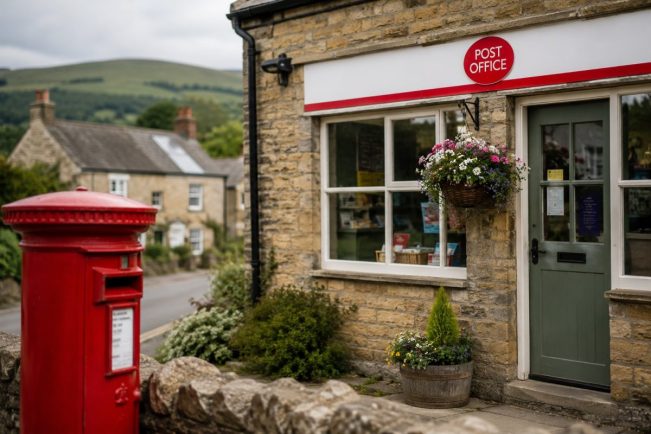
Rural Post Offices have warned that rising business rates could place increasing pressure on local branches, raising concerns about the future of vital community services in towns and villages across the country.
New research commissioned by the Post Office suggests branches will collectively face an additional £29 million in business rates over the coming year, with some outlets seeing significant increases in their bills following the latest revaluation.
The changes came into effect in April as part of the first business rates review since before the Covid pandemic. As a result, around 600 Post Office branches that were previously exempt are now expected to pay business rates.
Post Office leaders say smaller and rural branches are likely to be among the hardest hit.
According to the research, the average Post Office branch will face a business rates bill of around £3,700 this year. Around one quarter of branches are expected to pay more than £5,000, while approximately one in ten will face bills exceeding £10,000.
The warning comes at a time when many small businesses are also facing rising employment and operating costs.
Post Offices play an important role in many communities, particularly in rural areas where access to banks, shops and public services can be limited. In addition to postal services, many branches provide banking facilities, bill payment services and access to government services.
One postmaster said his business rates bill had already increased by more than £2,000. The same postmaster said the increase came on top of higher National Insurance contributions and wage costs, adding that many postmasters needed greater support if they were to continue providing services to their local communities.
The Post Office, which operates a network of around 11,500 branches across the UK, is currently undertaking a programme of modernisation while also working to rebuild trust following the Horizon scandal.
The organisation has pledged to increase remuneration for postmasters by £250 million by the end of the decade and is investing in branch improvements across the network.
Neil Brocklehurst, Chief Executive of the Post Office, said many branches were independently run small businesses that provided essential local services.
He said there was a need for a fairer approach to business rates and called for targeted support to help safeguard community Post Offices.
A Treasury spokesman said the Government was reforming the business rates system while providing wider support for businesses through a £4.3 billion package designed to limit bill increases.
However, Post Office leaders have warned that without additional assistance, rising costs could make it increasingly difficult for some branches to remain financially sustainable, particularly in rural areas where local services are already under pressure.
For many communities, the local Post Office is far more than a place to send parcels. It provides banking services, access to cash, bill payments and a valuable social hub, particularly for older residents and those living in rural areas.
What would happen if your local branch closed? Would it have a significant impact on your community? Should the Government be doing more to help safeguard these vital services?
We would like to hear from local postmasters and readers about the challenges facing Post Offices in our area. Contact our newsroom and tell us your story. Email: [email protected]
Main Image: For illustration purposes only