


Most of us want to be more efficient with our energy usage. With energy bills continuing to rise, failing to be energy efficient can cost a lot of money and lead to financial difficulties.
However, the benefits of making your home more energy-efficient aren’t only cost-related — there are also environmental benefits.
Carbon emissions from energy usage contribute significantly to climate change, and reducing energy usage also reduces your carbon footprint. In this article, we will explore different ways you can make your home more energy-efficient.
Water Efficiency
Water is a significant cost for most of us. When you add up daily showers/baths, washing machines, tap water used to wash dishes, hosepipes used to water plants in the summer, and perhaps even a dishwasher, the amount of water we use daily can be extremely high.
Thankfully, there are ways that you can reduce your water usage without compromising your quality of life. Installing low-flow showerheads and taps is one way to do so, as is choosing water-efficient dishwashers and washing machines. While replacing your appliances has an upfront cost, you could actually save money in the long term by choosing more efficient options.
Another tip is to check your home for leaks. Leaks from baths or showers can not only damage walls and floors, but can also waste a lot of water. Luckily, you can seal a shower with affordable and accessible sealant products. You may need to remove old sealant first before you can do this.
Insulation and Sealing
The more heat escapes from rooms and homes, the longer you need to keep your heating on. Heat escapes through gaps such as those under doors, and these gaps can also let cold air in. Eliminating these drafts will make your home more heat-efficient, so you won’t need to spend as much money on heating. Draft excluders are a cheap and easy way of sealing these gaps under doors.
Heat also escapes homes through walls, but this can be reduced by effective insulation. There are various methods and products used to insulate your home effectively.
Efficient Heating and Cooling
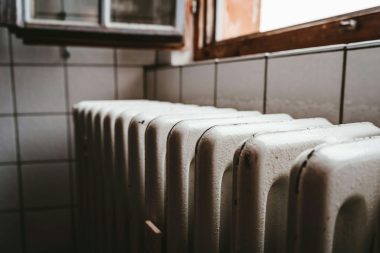
Photo by Julian Hochgesang on Unsplash
Upgrading to an energy-efficient HVAC (heating, ventilation, and air conditioning) system can significantly reduce your energy consumption. To keep your heating and cooling units running optimally, make sure to keep them properly maintained — if in doubt, you can hire professionals to do this.
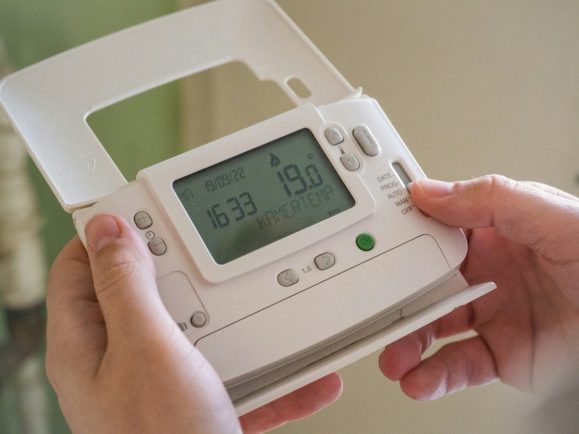
Another way to improve the efficiency of your home’s heating and cooling is to opt for a programmable thermostat. These enable precise control of temperature that adapts to your own daily schedule. You can also prevent energy loss by sealing ducts to prevent heat from escaping.
Lighting and Appliances
Lighting is another area in which energy costs can often be high. Traditional halogen bulbs are much more inefficient than modern LED or CFL light bulbs, so swapping out your old bulbs can make a surprising amount of difference to your home’s energy usage.
You should also check the energy usage of appliances before you buy them. Some products may seem like good value for money, but can eventually cost you a fortune in energy bills! Choose energy-efficient appliances, and unplug them when they’re not in use.
Generating Renewable Energy
Generating your own energy can be a great way to increase your home’s efficiency and lower your bills. One way to do this is by installing solar panels on your roof, to generate clean, renewable energy from sunlight.
Solar panels aren’t the only way to generate renewable energy. Although they are less common, wind turbines can also be used to harness natural power. While wind turbines are expensive to implement, there may be financial incentives and rebates available to help you.
Behavioural Changes
Last but not least, simple lifestyle changes can help reduce your energy consumption. While technologies can solve many problems, you will most likely still need to change your habits to make your home as energy-efficient as it can be.
These changes include turning off lights and appliances when they’re not in use, and making the most of natural light during the day. You can also reduce the temperature of your thermostat and opt to wear extra layers of clothing during the colder months. To avoid using fans or air conditioning, opening windows for better air circulation can help.
Final Thoughts
Energy efficiency is only becoming more and more important as costs rise and the threat of climate change grows. However, don’t get overwhelmed — small changes can make a huge difference. Start out with small changes, and gradually implement more over time. Doing so can save you money, reduce your environmental impact, and help you to solidify positive lifestyle changes.
Article written by James Chopping