


Cancer will affect 1 in 2 people in the UK during their lifetime.
Despite the prevalence of the disease, it remains frequently misdiagnosed by healthcare professionals and patients alike.
Discover why such a well-known and dangerous disease is often overlooked.
Complex symptoms
The complexity of cancer symptoms is one of the main reasons this disease goes undiagnosed.
Especially in the early stages, signs are wide-ranging, often mild and varied from person to person. This diversity makes it easy for patients and doctors to overlook these warnings or attribute them to common illnesses like colds and flu. These innocuous symptoms include:
- Tiredness and fatigue
- Changing moles
- Sudden weight loss
- Indigestion
- Breathlessness
- Different bowel habits
As an example, ovarian cancer is often misdiagnosed as digestive issues initially as the first effects are bloating, tenderness around the lower stomach and feeling full quickly after eating.
Uncommon cancers
There are also over 200 types of cancer which require unique diagnosis methods so it’s difficult for doctors and other healthcare professionals to build up experience in recognising the disease beyond the most common varieties which include breast, lung, bowel and prostate cancer.
Rare cancers are especially prone to misdiagnosis because symptoms are unusual – if present at all – and there are few specialists in each field. Uncommon cancers include:
- Melanoma skin cancer
- Kidney cancer
- Brain tumours
- Pancreatic cancer
- Soft tissue sarcoma
Age can play a role in misdiagnosis too, as the disease is rare in children. However, over 3,000 young people are diagnosed with cancer each year in the UK, and survival rates are increasing.
Healthcare system issues
The pressures on the UK healthcare system are undeniably a contributing factor in cancer misdiagnosis.
Overworked staff are often forced to turn away all but patients with the most urgent symptoms, or have insufficient time to conduct a thorough examination. A lack of funds places a limit on testing, so it’s rarely initially recommended, and the vast backlog of appointments means that treatment is delayed.
Cancer charities stress that anyone in doubt should seek a second opinion straightaway. When identified early, cancer is much easier to treat and the chance of beating it completely is higher. You can look into cancer misdiagnosis claims for financial compensation if it’s overlooked which can help fund private treatment rather than waiting for an NHS appointment.
Unreliable diagnostic tools
Despite advances in medical technology, cancer remains challenging to accurately diagnose. This is because different tests and scans are required to identify the various types of cancers, so if the wrong ones are administered then it can be impossible to find evidence of the disease.
Even blood tests and biopsies, where a piece of tissue is taken and checked for cancer under a microscope, are not 100% fail-safe at revealing the presence of cancer.
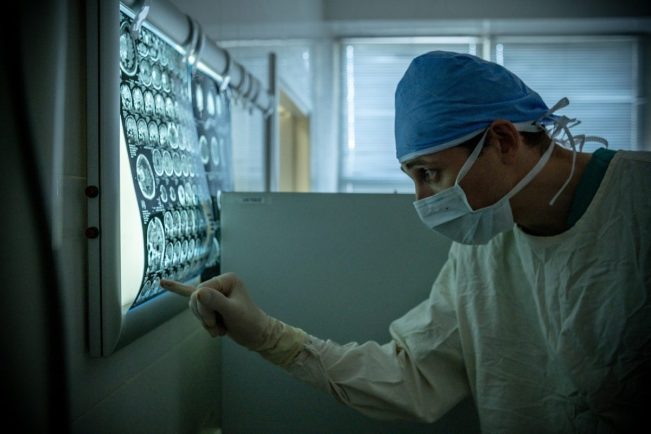
Human action plays a part in the inaccuracy of the tools too. Technicians might make a mistake with the test or record the wrong results, or doctors might miss issues on an X-ray or CT scan.
Equally, patients might not keep up with recommended routine scans such as mammograms.