



Learning to change the oil in your car can seem intimidating for a novice motorist. However, with the right resources, guidance, and preparation, this essential maintenance task becomes an achievable and rewarding skill. Changing oil is not only a great way to save money but also provides a deeper understanding of your car’s basic mechanics. Below is a step-by-step look at how beginners typically learn to change the oil in their vehicles.
Understanding the Importance of Oil Changes
This understanding often motivates a novice motorist to take on the task of oil changes themselves.
Maintaining a Ford Transit vehicle involves regular oil changes, which are crucial for engine health, efficiency, and longevity. Choosing the correct engine oil for your Ford Transit, whether diesel or gasoline, ensures optimal performance and protection under various driving conditions. This article provides a comprehensive guide to understanding oil types, their specifications, and how to select the best one for your Ford Transit.
Why Choosing the Right Oil Matters
Engine oil serves as the lifeblood of your vehicle’s engine, performing several critical functions:
- Lubrication: Reduces friction between engine components.
- Cooling: Dissipates heat generated during engine operation.
- Cleaning: Prevents sludge and debris buildup inside the engine.
- Protection: Reduces wear and tear, extending engine lifespan.
For a heavy-duty vehicle like the Ford Transit, selecting the correct oil type is even more important due to its demanding usage, including commercial transport, towing, and daily driving.
According to experts from AUTODOС: “Fresh oil should be dark orange, so be sure to do a colour check with a car oil dipstick. To do this, drive about six miles, then stop the car on a flat surface, wait about two minutes so that the oil can accumulate in the pan, then take a look. Please note that too much oil can cause damage to the engine, just like not using enough.”
Ford Transit Diesel Engine Oil
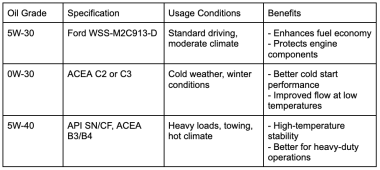
Ford Transit diesel engines are robust and require oils designed to withstand heavy-duty use and longer intervals between oil changes. Below are the recommended oil types and specifications:
Key Points for Diesel Engines
- Ford WSS-M2C913-D: Ford’s recommended oil specification for most diesel engines. This ensures compatibility and maximum engine protection.
- 5W-30 vs. 5W-40:– 5W-30: A versatile oil grade ideal for everyday use.
– 5W-40: Better suited for extreme conditions, such as towing heavy loads or driving in high temperatures.
- Low-SAPS Oils: Modern Ford diesel engines often require low-SAPS (Sulphated Ash, Phosphorus, and Sulfur) oils to protect components like diesel particulate filters (DPFs).
Ford Transit Gasoline Engine Oil
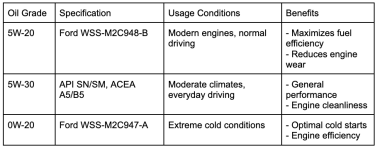
Gasoline engines in the Ford transit oil based on recommendations from autodoc.co.uk, are generally less demanding than their diesel counterparts but still require high-quality oil to ensure efficiency and longevity. Below are the recommended oil grades and specifications:
Key Points for Gasoline Engines
- 5W-20 Oil: Specifically designed for modern Ford gasoline engines, offering improved fuel efficiency and reduced emissions.
- 0W-20 Oil: Ideal for colder climates, as it maintains flow and lubrication even in freezing temperatures.
- 5W-30 Oil: A balanced option for general performance and engine protection under various conditions.
When to Change Engine Oil in Ford Transit
The recommended oil change interval for Ford Transit varies based on usage:
Standard Driving: Every 10,000–15,000 kilometers or annually.
Severe Conditions: Every 7,500 kilometers for vehicles that tow frequently, operate in dusty environments, or experience stop-and-go driving.
Always check the oil level regularly and top up if necessary. Delayed oil changes can lead to engine sludge, reduced efficiency, and potential engine damage.
The Learning Process Step by Step
Here is a simplified breakdown of how a novice motorist typically learns and performs their first oil change:
Step 1: Preparation: Park the car on a flat surface and engage the parking brake. Allow the engine to cool down slightly but keep it warm enough to drain the oil easily. Gather tools and ensure safety by wearing gloves and using jack stands if needed.
Step 2: Draining the Old Oil: Locate the oil drain plug under the car. Position the oil pan beneath the plug. Use a wrench to loosen the plug and let the oil drain completely.
Step 3: Replacing the Oil Filter: Use an oil filter wrench to remove the old oil filter. Apply a small amount of new oil to the rubber seal of the new filter.
Step 4: Adding New Oil: Locate the oil filler cap on the engine. Use a funnel to pour in the correct amount and type of oil. Check the oil level with the dipstick and adjust if necessary.
Step 5: Double-Check and Dispose of Old Oil: Start the engine and let it run for a few minutes to circulate the new oil. Recheck the oil level and ensure there are no leaks. Dispose of the old oil responsibly at a recycling center.
Conclusion
Selecting the correct oil type for your Ford Transit diesel or gasoline engine is essential for maintaining its performance, reliability, and fuel efficiency. Diesel engines benefit from oils like 5W-30 and 5W-40, while gasoline engines thrive on 5W-20 or 0W-20 oils. By following Ford’s recommendations and considering your driving conditions, you can ensure your Ford Transit runs smoothly for years to come. Always adhere to regular oil change intervals and use high-quality oil that meets Ford’s standards for the best results.
Article written by Olena Kirsanova