


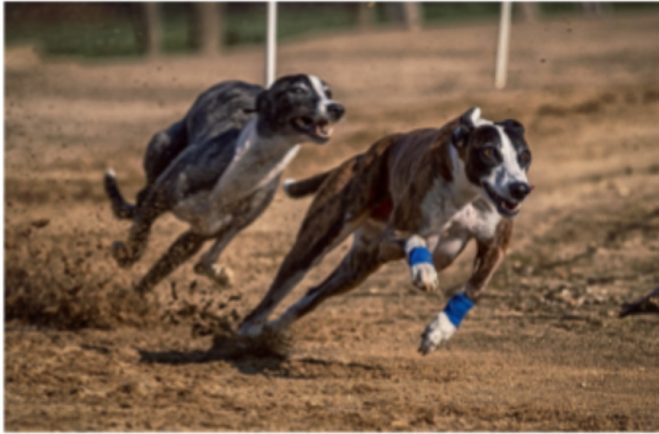
Greyhound racing, once a staple of working-class leisure and a lively weekend ritual across towns and cities, is at a crossroads.
In some parts of the world, attendance at tracks has dwindled, and calls for reform—or even abolition—have grown louder.
Yet in other regions, the sport is embracing innovation, modernising operations, and capturing new audiences in unexpected ways. As greyhound racing looks ahead, the conversation is no longer just about nostalgia—it’s about adaptation.
In the UK and parts of Australia, greyhound racing has faced significant headwinds over the past two decades. Dozens of tracks have closed, citing rising operational costs, urban development pressure, and shrinking crowds. For younger generations, the pull of the racetrack has often been replaced by digital entertainment, and legacy venues have struggled to remain relevant.
The Future of Greyhound Racing: Tradition vs. Transformation
Declining Footprints and Growing Pains
Animal welfare activism has also put the sport under a magnifying glass, accelerating regulatory scrutiny. Critics highlight issues such as overbreeding, injuries, and the fate of retired racers, prompting governments and governing bodies to impose stricter standards. While these interventions aim to protect the animals, they also increase operational burdens for some racing organizations, particularly smaller tracks with fewer resources.
And yet, the narrative isn’t entirely bleak.
Pockets of Growth and Global Variance
While some regions contract, others expand. In parts of Ireland and the United States, particularly Florida until its ban in 2020, greyhound racing once enjoyed passionate local followings and strong grassroots support. In emerging markets like Mexico and Vietnam, interest has been growing, albeit with varying levels of regulation and welfare oversight.
In Australia, despite vocal criticism, the sport continues to thrive in states like New South Wales and Victoria, where government support and industry investment remain strong. There, live attendance has been bolstered by community engagement programs, revamped venues, and a push to align the sport more closely with ethical standards.
The takeaway? Greyhound racing is not a monolith. Its evolution is highly regional, shaped by culture, politics, public perception, and economics.
Innovation on and off the Track
Where greyhound racing shows the most potential is in its technological pivot. The modernization of race-day operations is reshaping how the sport functions and how it’s consumed.
Tracks are increasingly adopting advanced timing systems, high-definition photo finishes, and biometric monitoring to enhance accuracy and fairness. Sophisticated track surfaces are being engineered to reduce injury risk, using data on impact absorption and stride efficiency. In some facilities, artificial intelligence is even being trialled to monitor dog performance and identify subtle signs of fatigue or strain.
Meanwhile, online streaming has emerged as a lifeline for audience engagement. As physical attendance wanes in some areas, digital access has surged. Platforms now offer live coverage, detailed analytics, and instant replay—features that bring greyhound racing in line with other mainstream sports. For younger fans or punters who may never set foot in a stadium, this digital-first approach is essential.
Welfare Front and Centre
Arguably the most defining issue facing the sport today is animal welfare. This is no longer a fringe concern; it’s central to the public conversation. The traditional model—where dogs were often viewed purely as racing assets—is being replaced with a more holistic view of greyhounds as both athletes and companions.
Industry reforms reflect this shift. Retirement and rehoming programs are now standard in many jurisdictions, and success rates are climbing. Trainers and owners are more accountable, with tracking systems in place to monitor a greyhound’s entire life cycle—from birth to retirement.
Veterinary care has also advanced. Tracks now employ full-time veterinarians, and injury reporting has become more transparent. In some cases, injured dogs receive surgery and rehabilitation rather than automatic retirement or euthanasia.
Still, challenges remain. Overbreeding, though reduced, has not been eliminated. Independent oversight varies by region, and critics argue that enforcement can be inconsistent. The industry’s credibility will hinge on its ability to close these gaps and communicate its progress transparently.
Changing Betting Behaviours
Betting has long been the economic backbone of greyhound racing, but even this pillar is shifting. The traditional on-track bookmaker—once a charismatic fixture of race night—is increasingly being replaced by online platforms, betting apps, and algorithm-driven markets.
Modern punters are more data-savvy and more diverse. They want instant access to odds, stats, live video, and even social betting experiences. Greyhound racing has responded with digital tools, mobile-friendly sites, and integrations with mainstream betting exchanges.
However, the competition for betting attention is fierce. Sports like football, tennis, and esports dominate younger demographics, and greyhound racing must work harder to offer compelling betting value and user experience.
Interestingly, innovations in bet types and smarter odds-matching tools have created new engagement points. For instance, greyhound betting has found a niche among matched betting communities, who look for predictable outcomes and clear value. This has helped revive interest among analytically-minded punters who might otherwise overlook the sport.
Balancing Legacy with Progress
What lies ahead for greyhound racing depends on its ability to walk the line between preserving tradition and embracing change.
The pageantry and community spirit of race nights—the local rivalries, the early morning kennels, the seasoned trainers—still matter. These traditions give the sport its soul. But for that soul to thrive in a modern world, greyhound racing must double down on innovation, transparency, and welfare.
That means continuing to adopt new technology, being proactive about regulation, and investing in digital experiences. It also means listening to critics not as enemies, but as drivers of improvement.
Conclusion
Greyhound racing is at a pivotal moment. Its future won’t be secured by simply invoking its past. Nor will it succeed through innovation alone. The sport’s revival—where it is occurring—is being led by a more thoughtful, ethical, and technologically agile approach. One that respects the dogs, understands the shifting expectations of audiences, and invests in long-term sustainability.
Whether it becomes a renaissance or a slow fade depends on the choices being made now. But one thing is clear: greyhound racing is no longer just about who wins the race. It’s about how the sport runs the race toward its own future.