


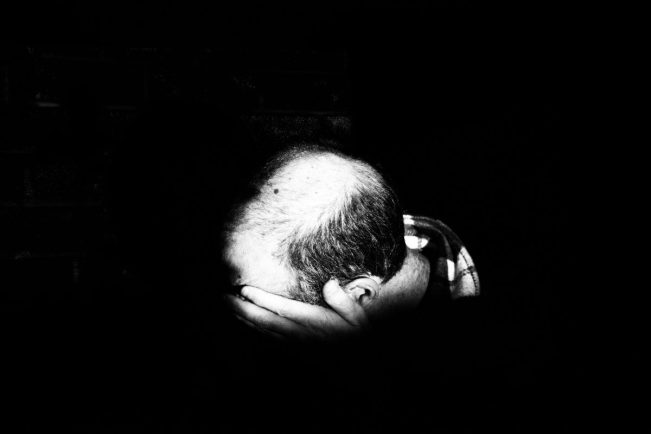
If you asked someone on the street whether hair loss affects men’s mental health, many would shrug and call it “just hair.” They might picture a man who’s a little older, a little busier, and simply accepting what time does.
Even if that’s true for some, it doesn’t capture the full picture. Hair loss can be quiet, gradual, and emotionally loud, especially when it starts earlier than expected or begins to change how a man sees himself.
For many men, the impact isn’t dramatic enough to justify a conversation, but it’s persistent enough to shape daily life.
It shows up in the moments no one notices: avoiding photos, fixing the same angle in the mirror, feeling a flash of self-consciousness under bright lighting, or choosing a hat not because it’s cold, but because it’s easier.
On the surface, everything looks fine. Inside, confidence can erode in small, repeated drops.
So how exactly does hair loss affect confidence? And when does a physical change cross over into mental health territory?
Hair Loss Isn’t “Just Cosmetic” When It Changes How You Move Through Life
Hair is tied to identity in a way many people don’t realise until it starts to change. It frames the face. It signals youth, vitality, style, and personality.
And because it sits so visibly at the centre of how we present ourselves, changes to hair often feel like changes to the self.
The mental weight of hair loss doesn’t always come from vanity. More often, it comes from loss of control. Men describe the feeling of watching something shift month by month, without a clear way to stop it. That lack of control can turn into hyper-awareness, checking, comparing, scanning reflections, analysing photos, until hair becomes an obsession with the background.
According to Dr. Vara, from Treatment Rooms London, “Hair loss is often framed as purely cosmetic, but in the clinic, you see how frequently it affects confidence, identity, and day-to-day social comfort. The psychological impact usually adds up over time. While more people are now taking it seriously, seeking expert help for proper assessment can help you set realistic expectations around managing the hair loss or possibly having a hair transplant.”
Common confidence impacts include:
- Avoiding photos or feeling tense when someone takes one unexpectedly
- Feeling older than you are, or not recognising yourself the same way
- Worrying people are noticing your hair more than your words
- Changing your social behaviour (less outgoing, less spontaneous)
- Feeling “exposed” in certain environments: gyms, swimming, bright rooms, windy days
These aren’t rare experiences. They’re just rarely spoken about openly.
The Link to Mental Health: Subtle, But Real
It’s important to be clinically honest here: hair loss doesn’t automatically cause depression or anxiety in everyone.
Many men cope well. But for a meaningful number of people, the emotional impact is significant, and that’s backed by clinical research, particularly in hair-loss conditions like alopecia areata, as well as broader studies examining quality of life and emotional well-being in hair loss.
Even when hair loss doesn’t trigger a diagnosable mental health condition, it can still contribute to:
- Social anxiety (fear of being judged or “seen”)
- Lower self-esteem (feeling less attractive, less confident, less “you”)
- Avoidance behaviours (withdrawing from dating, social events, or public situations)
- Rumination (constant mental checking, comparing, worrying)
- Mood changes (irritability, frustration, feeling flat)
This is the part men often don’t name. Not because it doesn’t matter—but because it can feel embarrassing to admit that something like hair is affecting your mental state.
Why Men Often Suffer Quietly
Hair loss sits in an uncomfortable cultural space. It’s visible enough to be commented on, but personal enough to feel invasive. And for men, there’s an extra layer: the expectation to take it on the chin.
That social pressure pushes many men into silence. They don’t talk about the fear of looking older. They don’t mention how they dread overhead lighting. They don’t say that they’ve stopped dating because they don’t feel confident. Instead, they adapt quietly, then tell themselves it’s not a big deal.
But if something is shaping your daily confidence, it is a big deal. Not because it’s catastrophic, but because it’s constant.
When Should You Take the Emotional Impact Seriously?
A useful way to think about it is this: hair loss matters when it changes your quality of life. Not when someone else says it should.
Consider taking it seriously if you notice:
- You think about your hair every day, often multiple times
- You avoid situations you used to enjoy
- You feel a persistent drop in confidence or self-image
- You’re spending a lot of time hiding, fixing, checking, or worrying
- You feel more anxious, low, or withdrawn than usual
- You’re making impulsive decisions out of panic (rushing into treatments without guidance)
This isn’t about diagnosing yourself. It’s about recognising a pattern and responding with care instead of dismissal.
What Actually Helps (Beyond “Just Accept It”)
People often present two extremes: either accept hair loss completely, or “fix it” immediately. Real life is more nuanced. Support can look like different things at different stages:
1) Clarity and diagnosis
Not all hair loss is the same. Understanding what’s happening—pattern hair loss, stress-related shedding, and inflammatory scalp issues can reduce uncertainty, and uncertainty is a major driver of anxiety.
2) A realistic treatment plan
For some men, medical treatment helps. For others, a hair transplant becomes an option later. For some, acceptance is the healthiest route. What matters is choosing a path based on facts, not panic.
3) Mental health support when needed
If hair loss is triggering significant distress, therapy or coaching can help—especially with rumination, self-esteem, and social anxiety. This doesn’t mean hair loss is “in your head.” It means your well-being is worth protecting.
4) Reducing “checking” behaviours
Constant mirror-checking and photo comparisons keep the nervous system in a loop. Simple boundaries, such as limiting checks to once a week, can make a surprising difference.
Caring About Hair Loss Doesn’t Make You Shallow
Hair loss is a physical change. But it often carries psychological meaning: youth, identity, attractiveness, control. When those things feel threatened, it makes sense that confidence shifts.
If hair loss is affecting your mental health, you don’t need to justify it. You don’t need to prove it’s “serious enough.” You only need to recognise what it’s doing to you—and give yourself permission to respond thoughtfully.