


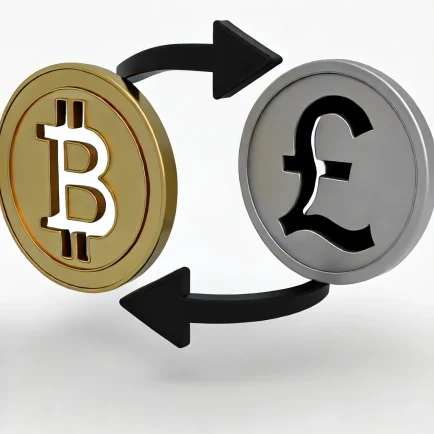
Navigating cryptocurrency transactions requires a clear understanding of how to convert between digital assets and traditional fiat currencies. This process involves two key mechanisms: crypto on-ramps and crypto off-ramps. Both are essential to the adoption of cryptocurrencies and the overall functionality of crypto transactions.
What Does On-Ramp Mean, and What Are Its Options?
The term “on-ramp” in the crypto industry refers to the methods and platforms that allow users to convert their fiat currency into cryptocurrencies. It is the starting point for anyone looking to buy and invest in crypto assets. Ramp crypto purchase options are different.
One of the most common on-ramp methods is through cryptocurrency exchanges. Such platforms enable users to buy cryptocurrencies using their fiat currency. Another option is peer-to-peer (P2P) trading, where individuals can directly buy and sell cryptocurrencies with each other.
Some financial services and fintech startups have integrated crypto purchasing options into their services. For example, payment processors like PayPal and Square allow users to buy and hold cryptocurrencies directly through their platforms.
What Is Off-Ramp and How Does It Work?
An “off-ramp” is the opposite of an on-ramp; it refers to the methods and platforms that allow users to convert their cryptocurrencies back into fiat. It is a critical component for those who wish to liquidate their crypto holdings and access their value in a more widely accepted form.
Crypto off-ramps typically involve selling cryptocurrencies on exchanges that support fiat withdrawals. Once the crypto assets are sold, the funds are transferred to the user’s bank account.
Another option is using cryptocurrency ATMs, which allow users to exchange their crypto for cash on the spot. These ATMs are becoming more prevalent in various locations around the world.
Some platforms also offer crypto debit cards, which let users spend their cryptocurrencies directly as fiat currency by converting them at the point of sale. This seamless integration makes it easier for individuals to use their crypto holdings in everyday transactions.
The Role of Regulations in Crypto-Fiat Transactions
Regulated exchanges and financial services must comply with know-your-customer (KYC) and anti-money laundering (AML) regulations. These measures require users to verify their identity before engaging in large-volume transactions, thereby adding a layer of security and transparency to the process.
Regulations also impact the ease and cost of converting between crypto and fiat. In some jurisdictions, stringent regulations can lead to higher fees and longer processing times, whereas in more crypto-friendly environments, the process can be quicker and less costly.
Understanding the difference between crypto on-ramps and off-ramps is vital for anyone involved in the crypto industry. Both processes are integral to the fluidity and usability of cryptocurrencies in real-world applications.