


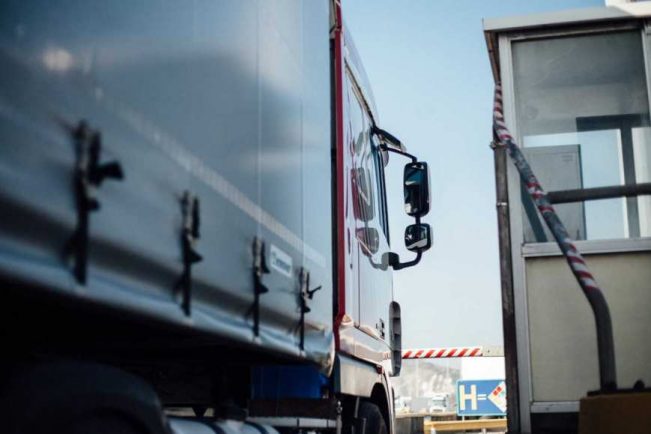
BEOLEY-based haulage and logistics firm Oakland International has created a 24 hour border checkpoint just off the M20 in Kent.
The aim is to not so much look for migrants but for any interference they may have caused to a vehicle’s load.
The firm says more than 5,000 heavy goods vehicles cross from mainland Europe every day into the UK.
Despite Border Force only being able to check around ten per cent they still detected more than 23,000 migrants in a six month control period.
A spokesperson for Oakland International said: “Nobody knows how many more get through or how many import loads are affected by stowaway incursion.
“Cargo may be contaminated and should be professionally assessed before being allowed to enter the supply chain.”
Oakland International have been officially re-conditioning loads affected by stowaways for more than 15 years.
Vehicles are sent to Oakland when stowaways have been detected and there is a risk to food safety.
Their Distress Load Management service has won industry awards and is the preferred provider for many insurance companies, largely due to their 90 per cent recovery rate.
This new service is offered on a commercial basis and is already attracting keen interest from major brands looking to enhance the integrity of their inbound supply chain.
The team carry out a five point check including thermal imaging and CO2 detection.
“We’re not particularly looking for stowaways but we are looking for the contamination they have caused,” said Robert Hardy, operations director of Oakland Invicta.
“Our clients rely on us to help protect their supply chain. Clean cargo is given a HACCP certificate of compliance, to be presented on delivery, and contaminated cargo is quarantined. It takes just 15 minutes to check a vehicle and many clients are considering making it a mandatory process for all inbound cargo.”