

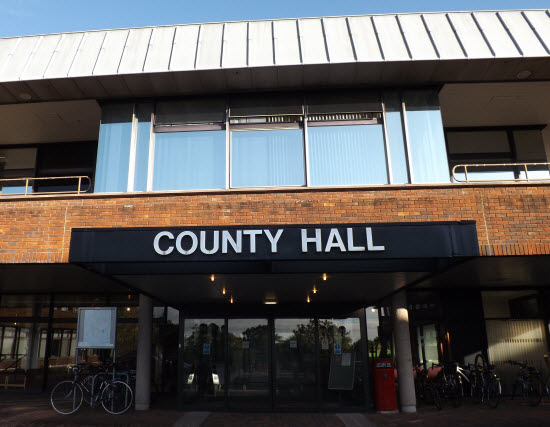
THE county council has set out its Joint Health and Wellbeing strategy which will run from 2016 until 2019.
Focusing on mental health, physical activities and alcohol use the strategy has been developed with input from across local government, the NHS, Police and voluntary sectors.
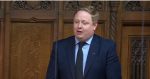
Councillor Marcus Hart, chairman of the Health and Wellbeing Board, said: “Our vision for residents is that they are healthier, live longer, and have a better quality of life, especially those communities and groups whose health is currently poorest.
“We have identified three priorities for our work over the next five years – improving mental health, increasing physical activity and reducing the harm caused by alcohol.
“We are placing a stronger emphasis on prevention too, working together to meet the rising tide of avoidable ill-health.”
In the region of 575,500 live in the county, a figure likely to rise to 600,000 in ten years’ time. The county also has a higher than average number of older people and much of that growth will be an increase in the elderly population.
“The number of people with dementia is expected to rise by almost one third between 2012 and 2020 and there are things that can be done to reduce the risk of getting dementia,”said Coun Hart.
“Being inactive is a major cause of physical and mental ill health throughout life – including heart disease, diabetes and some cancers.
“In Worcestershire at least a third of people do not meet the recommended guidelines for being physically active.”
Overall health in Worcestershire is better than the England average. The average number of years a person born today in Worcestershire can expect to live in good health is 66.4 years for women and 66 years for men compared to 63.9 and 63.3 nationally.
However about two thirds of adults are overweight or obese, a third of men and half of women don’t get enough exercise, and about a third of people drink too much alcohol. One in six adults still smokes.