


A CHOLERA epidemic in the 1830s, sewage leaking into clean water wells in the 1870s and babies drinking brown water through straws in the 1900s – it’s little wonder the British Medical Association (BMA) once branded Redditch ‘as one of the most insanitary towns in England’.
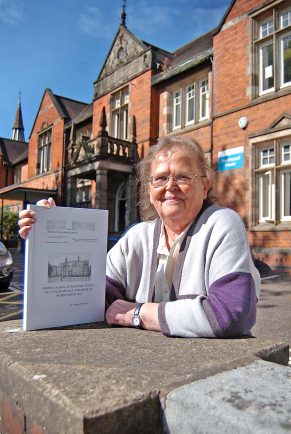
Such are the findings in a new book by local historian Angela Webster who’s six month stint tidying up the archives in Redditch Library revealed a treasure trove of forgotten documents and diaries.
The result is ‘Redditch Health Matters: Public Health, Hospitals, and Medical People from 1832’ which lifts the lid on some of the appalling conditions local people once put up with.
“I was cataloguing all the archives in the basement when I came across all these books and I thought to myself, ‘I have got to do something with all these resources,” said Angela.
One primary source was the official diary of the cholera epidemic that struck Redditch in 1832 which lists all those who died, those who survived and the doctors who attended them.
The cause of the epidemic was traced to the ‘Big Pool’ in the old Red Lion Street (now gone) close to Alcester Street, where people drew their water from.
However an investigation discovered it was where many were also dumping their rubbish.
Such was the panic to bury the bodies it is even suspected at least one person was buried alive.
Things didn’t improve as the years went by – by the 1870s sewage was leaking into the water wells and when the local doctor wrote up his report, the BMA branded the town as one of the most insanitary in England.
A new sewage system was required, but no one was prepared to pay for it and one wasn’t actually completed until a decade later.
Fast forward 30 years and there’s concern among health visitors at the high infant mortality in Redditch – an investigation discovers they’re being given contaminated water to drink through straws.
“The voices from the past just leapt from the page,” said Angela. “Whenever I came across something terrible I kept thinking ‘well at least I’m not in 19th Century Redditch.’”
Angela’s book, which took four years to complete, is now available for reference and to borrow from Redditch Library.