



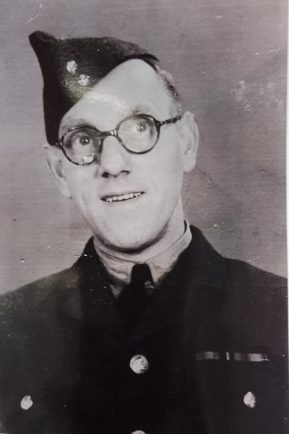
A REDDITCH woman whose father was a Japanese prisoner of war (POW) has shared his story ahead of the town’s commemoration to mark the 80th anniversary of VJ Day.
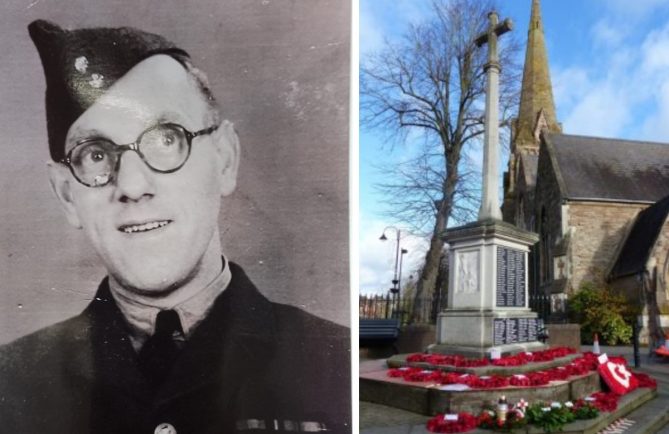
Christine Broadhurst’s dad Herbert John Lester, who was was known as ‘Bert’, was born in Birmingham on October 23, 1908.
He enlisted into the Royal Air Force (RAF) on April 27, 1939, just months before the Second World War started. He was attached as an Aircraftsman (AC) to 915 Squadron.
On May 1, 1940, he was promoted to an AC1 and was sent to the Far East on December 4, 1941.
On February 1, 1943, he was reported as ‘missing’.
Later, after the conflict had finished, Bert’s harrowing journey was revealed and documented.
Captured
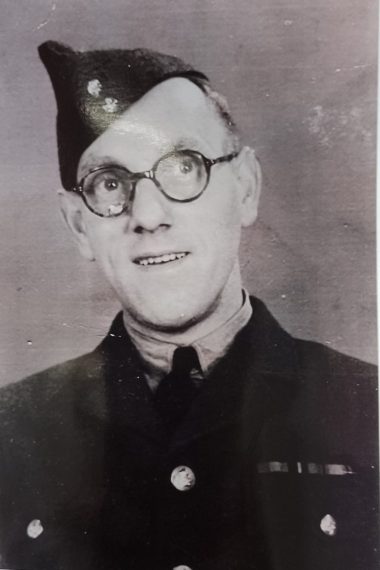
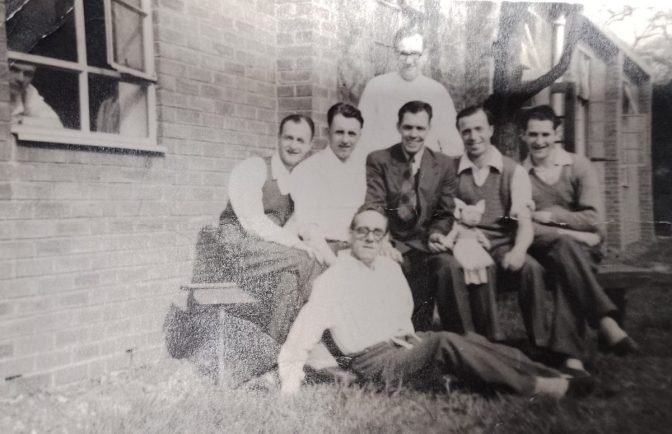
Bert was captured on Java on March 23, 1942, and was taken to Sockiboeni before being moved to Tijmahi on June 20, 1942.
Then on July 1, 1942, Bert was taken to Bandoeng and ended up in Tijmahi Hospital on Christmas Eve in 1942.
On February 4, 1943, he was back in Bandoeng and on Boxing Day of that year went to Batavia (now Jakarta).
On May 14, 1944, he departed on a Japanese ‘Hell Ship’ Chuka Maru as part of Java Party 21 sailing from Batavia to Sumatra to work on the construction of the Sumatran Railway.
The sea voyage took three days and, after arriving at Pakon Barue, Camp 1, Tanjung Rhu, Bert was in the first contingent of POWs used in the building of the railway.
The Japanese captors treated the prisoners with disdain and subjected them to harsh treatment, including forced labour, starvation and physical abuse.
Around 30,000 British POWs perished in captivity and the death rate was much higher than those captured and held in Europe.
Christine relayed a story her dad told about how, because they had so many heavy railway sleepers to carry, they had managed to find some ‘light as a feather’ balsa wood which they would take it in turns to carry to give them a break from the punishing workload.
On August 15, 1945, the war against Japan ended and the construction of the railway was completed, although, it was never used.
On September 18, 1945, Bert was flown from Pakon Barue Airfield to Singapore and returned to Liverpool on the SS Antenor repatriation ship on October 27. He was admitted to hospital at RAF Cosford a day later and was discharged from hospital on November 29, 1945.
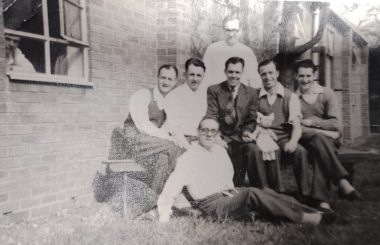
Bert was released from the RAF on December 21, 1946, and from the reserves at the age of 45 on February 10, 1954.
Post-war impact
Christine said the returning POWs were told not to speak about their time.
Many were exhausted and injured physically and mentally and would have had, what would now be diagnosed as Post-Traumatic Stress Disorder (PTSD).
She said: “When I was seven, he had a nervous breakdown and was convinced ‘they were coming to get him’.
“Like many of the men, he also had bouts of malaria.”
On the Japanese POWs return, many – although not Christine’s dad – underwent research at the Liverpool School of Tropical Medicine which examined how the conditions and diseases in the Far East had affected them.
Bert died of a heart attack at the age of 52 when Christine was just 13.
Christine said the worst thing was that those who served in Japan were the ‘forgotten’ heroes as those who returned after VE Day were involved in all the initial celebrations but they were still either in captivity or fighting in Japan.
“They were known as the ‘forgotten army’ – their role tends to be played down, compared to those who fought and came back but VJ Day was just as important as VE Day when it came to the end of the Second World War.”
Christine is now a member of the Java 42 Club and the Birmingham Far East Prisoner of War Association for families of those who were captured in Japan.
In 2012, she went on a pilgrimage to see where the former camps were.
“One was a supermarket and one was a hotel – the Japanese, as you would expect, want to forget what happened there.
“I think this 80th anniversary is the last chance we will get to remember them while they are still alive.”
Redditch’s VJ Day 80 commemoration
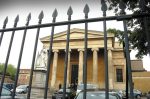
Reddditch’s commemoration will take place next Saturday, August 16, meeting outside the Palace Theatre at 11.30am.
A procession will journey to St Stephen’s Church War Memorial where, at 12pm, a short service will be held and wreaths will be laid.