


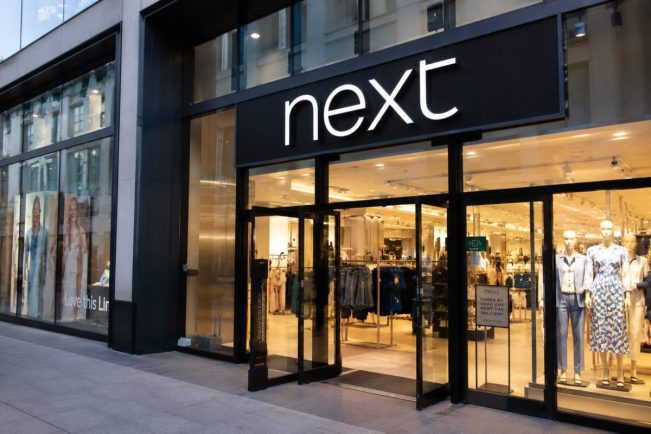
The boss of high street retailer Next has warned that young people are finding it increasingly difficult to secure work, as businesses face rising costs and major changes to employment law.
Lord Wolfson, chief executive of Next, said the number of applicants competing for shop jobs at the retailer has almost doubled over the past two years, highlighting what he described as a growing problem in youth employment.
Speaking to the BBC, he said applications for store roles had risen from around 10 people per vacancy to 19.
“That doubling of applicants for shop jobs is indicative of just how big the crisis is in youth unemployment at the moment,” he said.
Official figures show unemployment among 16 to 24-year-olds has reached 16.2 per cent, the highest level in more than a decade.
Lord Wolfson blamed a combination of rising business costs, including increases to employer National Insurance contributions and minimum wage rates, for making companies more cautious about hiring.
He said retailers were under pressure following measures introduced in Chancellor Rachel Reeves’s first Budget in 2024, adding that Next had already seen a significant increase in its wage bill.
The retail boss also raised concerns about the Government’s Employment Rights Act, which will introduce restrictions on zero-hours contracts and require employers to offer guaranteed minimum hours to staff.
Retailers say the changes could reduce flexibility during busy shopping periods, such as Christmas, when businesses often rely on temporary increases in staff hours.
However, Labour says the reforms are designed to give workers greater security and improve conditions for people in insecure jobs.
The legislation will also introduce a range of new employment protections, including expanded day-one rights for workers and shorter qualifying periods for unfair dismissal claims.
Alice Martin, head of research at The Work Foundation, said the reforms were needed to tackle insecure work.
“One in five workers in the UK is in severely insecure work, without predictable pay or basic protections,” she said.
She also argued it was too early to blame the legislation for current hiring difficulties, as many of the measures have not yet come into force.
Lord Wolfson said younger workers are often the first to be affected when companies reduce recruitment.
“If you’ve got fewer jobs, the people who suffer most are the people with the least experience and that is the youngest,” he said.
Businesses in retail and hospitality have warned that rising costs are having the greatest impact on sectors that employ large numbers of younger and lower-paid workers.
Lord Wolfson also said Next is continuing to invest in technology, including self-service return lockers, which allow stores to operate with fewer staff.
Shadow Business Minister Andrew Griffith said:
“So few MPs have a background in business they have little knowledge of the thin margins most businesses operate on or how the ‘zero hours’ contracts they demonise are usually a sensibly agreed compromise which meet employee and employer desire for flexibility.”
A Treasury spokesman defended the Government’s policies, saying minimum wage rises had boosted earnings for younger workers and insisting that cutting pay “is not the answer”.
The Government also said its Budget measures were aimed at stabilising the economy and supporting both businesses and working families.