


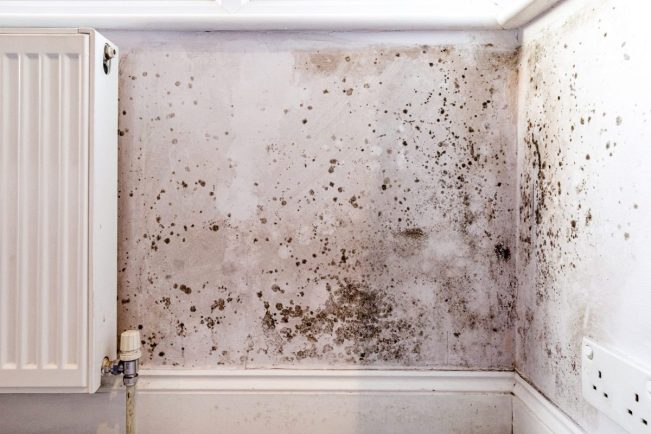
Mould is a persistent problem for many homeowners across the UK. Everyone knows it looks unsightly on walls, but not many know that it can also impact your health and the structural integrity of your property. While it’s tempting to blame the weather, many internal habits actually encourage these spores to settle and thrive.
Understanding where you might be going wrong is the first step toward a drier, healthier living space. Follow along to discover which common habits are putting your home at risk and how to fix them.
Poor Ventilation Habits
One of the most frequent errors is keeping windows tightly shut during the winter months. While you want to keep the heat in, trapping moisture-laden air inside creates the perfect breeding ground for fungal growth. Activities like showering, boiling kettles, or even breathing add litres of water to your indoor air every day.
If this moisture can’t escape, it settles on cold surfaces as condensation. Over time, this dampness allows spores to take root. You should ensure that extractor fans in bathrooms and kitchens are always running when in use. If you’ve already noticed dark patches forming, seeking professional mould removal services is the most effective way to eliminate the problem safely.
Common Indoor Drying Mistakes
Wet laundry draped over warm radiators is a common sight in many households. Although this seems like a quick way to dry clothes, it releases a significant amount of moisture into the room. This damp air quickly turns into condensation on windows and external walls. Instead of using radiators, try these methods to manage your laundry:
- Use a tumble dryer that is properly vented to the outside.
- Place a drying rack in a room with an open window and the door closed.
- Invest in a dehumidifier to pull excess moisture from the air while clothes dry.
- Hang laundry outside whenever the weather permits.
Furniture Placement and Airflow
Pushing heavy furniture directly against external walls is another mistake that often goes unnoticed. Without a gap for air to circulate, the wall behind a wardrobe or sofa remains cold and damp. This creates a hidden microclimate where mould can grow undisturbed for months before you even smell it.
Leave a gap of at least two to five centimetres between your furniture and the walls. This small adjustment allows warmer air to move behind the objects, keeping the surface temperature of the wall higher and reducing the chance of condensation forming in the shadows.
Neglecting Minor Property Leaks
Many people ignore a small damp patch or a slightly dripping pipe, thinking it’s a minor issue. However, even a tiny, consistent leak can saturate building materials like plasterboard and wood. Once these materials are wet, they provide the organic food source that mould needs to flourish.
It’s vital to check your loft for slipped tiles and ensure your gutters aren’t overflowing during heavy rain. If water is allowed to pool against the exterior of your home, it’ll eventually find a way inside. Regular maintenance checks won’t just save you money on repairs, they’ll also keep your home’s air quality much higher.
To Summarise
Maintaining a mould-free home requires a balance of heat, ventilation, and moisture control. By making small adjustments to how you dry your clothes and position your furniture, you can significantly reduce the risk of dampness.
Don’t wait for a small patch of spores to become a major infestation. Dealing with moisture issues as soon as they appear ensures your property remains a safe and comfortable place to live.
Article written by Lydia White