


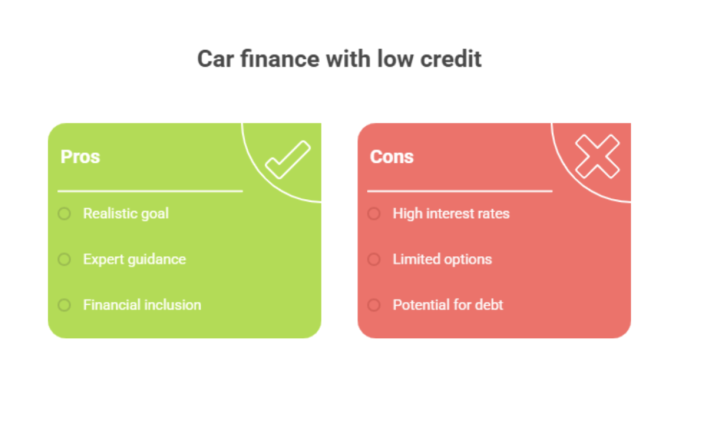
Car finance for low credit score can initially seem like an insurmountable challenge, leaving many feeling overwhelmed and worried that past financial setbacks have closed the door on essential transportation. However, achieving car ownership even with a challenging credit history is a completely realistic goal with the right approach and expert guidance. This guide, drawing on years of experience in financial inclusion, provides actionable steps to secure reliable transportation, even with past financial hiccups.
Understanding the Landscape: Why Your Credit Score Matters (and Why It’s Not the Only Thing)
Lenders view your credit score as a snapshot of your financial responsibility, influencing the interest rates and terms you’re offered. A lower score typically signals higher risk, leading to higher interest rates or requirements for larger down payments. This risk-based pricing is standard practice.
However, your credit score isn’t the sole factor. Lenders also assess your ability to repay. Consistent income stability and a steady job history significantly strengthen your application. Your debt-to-income ratio (DTI), comparing monthly debt to gross monthly income, is crucial; a lower DTI indicates more disposable income for car payments. A substantial down payment also demonstrates commitment and reduces the amount borrowed, often offsetting a lower credit score. These elements provide comfort to lenders, signaling current financial stability.
Proven Strategies: Actionable Steps to Prepare
1. Know Your Starting Point – A Deep Dive into Your Credit Report: The first non-negotiable step is to check your credit report from Equifax, Experian, and TransUnion via AnnualCreditReport.com. Scrutinize every detail for errors. Disputing inaccuracies can significantly improve your score. Understanding the age and impact of legitimate older debts helps strategize.
2. Strategic Credit Improvement – Quick Wins and Long-Term Habits: While no magic wand exists, strategic actions can yield noticeable improvements. Focus on paying down high credit card balances to get your credit utilization ratio (debt vs. available credit) below 30%. Becoming an authorized user on a trusted individual’s well-managed, long-standing credit card can also positively influence your score. Beyond these, foundational habits include always paying bills on time and avoiding opening too many new credit accounts. Be wary of promises of instant, massive score increases; genuine improvement takes time and consistent positive behavior.
Navigating the Maze: Finding the Right Lenders and Loan Options
1. Your Bank or Credit Union: Starting with Familiar Territory: Begin with institutions where you have an existing relationship. Credit unions, being non-profit and member-owned, often offer more favorable terms and may be more understanding of less-than-perfect credit. Your current bank is also a logical first step, though traditional banks may have stricter lending criteria. Don’t be discouraged if their initial offer isn’t ideal; it’s just one avenue.
2. Online Lenders and Specialized Financing Companies: Expanding Your Options: Online options and specialized subprime auto lenders fill a crucial market gap, offering financing to those turned away by traditional institutions. While convenient, thorough research is crucial. Check review sites and the Better Business Bureau (BBB). Read all proposed loan terms meticulously. Many offer pre-qualification (soft credit check), allowing you to compare interest rates and terms from multiple lenders without harming your score.
The Application Journey: Presenting Your Best Case
1. Getting Pre-Approved: Your Secret Weapon for Negotiation: Obtain a car loan pre-approval before visiting dealerships. This shifts the power dynamic, allowing you to negotiate with confidence on the car’s price, almost like a cash purchase, because your financing is secured. It also provides a realistic budget, preventing disappointment.
2. Gathering Your Documents: Be Prepared to Shine: Be organized. Have a folder ready with essential documents: proof of income (pay stubs, W2s), proof of residence (utility bill, lease), proof of insurance (current policy details), and valid ID. This demonstrates seriousness and speeds up the process.
3. Honesty and Clarity: Communicating Your Story: If extenuating circumstances contributed to past credit challenges, explain them proactively and concisely to the lender. Focus on the circumstances, what happened, and, most importantly, the steps you’ve taken to rectify the situation and prevent recurrence. This provides context and humanizes your application, but stick to facts and avoid overly emotional language.
Understanding Loan Terms: Don’t Sign Blindly
Thoroughly understand these key terms before committing:
- Annual Percentage Rate (APR): The total cost of borrowing, including interest and some fees, expressed as a yearly rate. Compare this across offers.
- Loan Term Length: How long you have to repay (e.g., 36, 48, 60, 72 months). Shorter terms mean higher monthly payments but less total interest.
- Total Amount Financed: The actual sum borrowed.
- Finance Charge/Total Interest Paid: The total dollar amount of interest you’ll pay.
- Monthly Payment: The fixed amount paid each month.
- Any Fees: Look for origination, documentation, or late payment fees.
- Prepayment Penalty: A fee if you pay off the loan early. Avoid these if possible.
Ask direct questions about APR, loan term, prepayment penalties, and for an amortization schedule. Be wary of extremely long loan terms (72 or 84 months), as they lead to significantly more interest paid and risk being “upside down” on the car. Ensure the monthly payment fits your budget.
Beyond the Signature: Managing Your Car Loan for Long-Term Financial Health
1. Making On-Time Payments: Your Path to Better Credit: Your car loan, managed well, is a powerful credit repair tool. Consistent, on-time payments demonstrate responsible debt management and significantly influence your credit score. Set up automatic payments to avoid accidental oversight and build a positive payment history.
2. Exploring Refinancing Down the Road: An Opportunity: After a year or so of consistent, on-time payments, especially if your credit score improves, explore refinancing options. This means taking out a new loan with hopefully better interest rates and terms to pay off your existing auto loan, potentially lowering payments or total interest paid. Check for prepayment penalties on your original loan.
Conclusion: You’ve Got the Keys – Drive Towards a Brighter Financial Future
Navigating car finance for low credit score can seem like an uphill battle. However, with the right knowledge, strategic approach, and determination, it’s entirely possible. From understanding and improving your credit to finding the right lender and diligently managing your loan, each step brings you closer to financial empowerment and car ownership success. Your credit score is a chapter, not the entire book. It might require more effort, but owning a car and simultaneously improving your financial standing is well within reach. These insights provide expert financial guidance for informed decisions. The keys to both a vehicle and greater financial stability can be yours.