


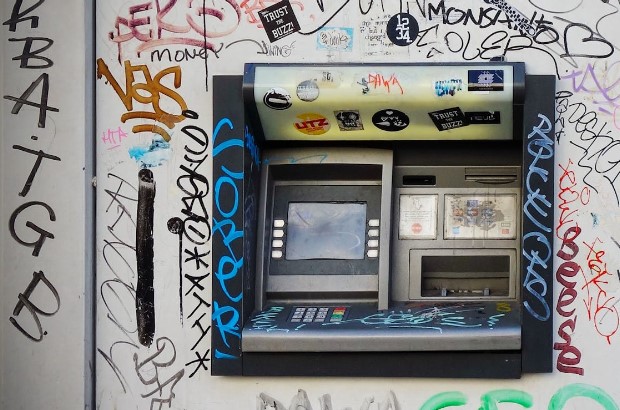
In a historic case that marks a significant moment for cryptocurrency regulation in the UK, 45-year-old Olumide Osunkoya has pleaded guilty to operating an illegal network of cryptocurrency ATMs. The case, which has unfolded under the Financial Conduct Authority’s (FCA) scrutiny, stands as the first-ever UK conviction for offenses related to unregistered cryptocurrency ATMs. Osunkoya’s machines processed over £2.6 million in transactions from December 2021 to September 2023 without proper FCA approval, amidst the backdrop of fluctuating Bitcoin, meme coins, and Ethereum Price trends.
This conviction highlights the rise of cryptocurrency ATMs in the UK and reflects the growing efforts of regulators to crack down on illegal operations in the crypto space. As popular cryptocurrencies like Bitcoin and Ethereum continue to see widespread adoption, with Ethereum price fluctuations often making headlines, the regulatory framework is becoming stricter to ensure compliance with anti-money laundering (AML) laws and other financial regulations.
Details of the Case
Osunkoya’s illegal activities were uncovered after he was denied registration by the FCA in 2021. Despite this refusal, he continued operating a network of 11 crypto ATMs in various convenience stores across the UK. These machines allowed users to exchange traditional currencies for cryptocurrencies, including Bitcoin and Ethereum, with little oversight and no adherence to the stringent checks required by the FCA. Osunkoya is reported to have profited substantially from the operation, charging high fees on transactions while failing to conduct basic customer due diligence or track the source of the funds used.
The FCA’s investigation found that Osunkoya ignored regulations and attempted to deceive the authorities. He created false documents and used a fake identity to obscure his involvement in the ATM network. The court also heard evidence that the machines were likely used by individuals involved in money laundering and tax evasion, highlighting the potential risks of unregulated cryptocurrency exchanges.
In a statement following Osunkoya’s guilty plea, the FCA underscored the importance of adhering to its registration requirements. The agency has ramped up its inspections of crypto ATMs, conducting 34 inspections across the UK by the end of 2023. These efforts are part of a broader crackdown on illegal cryptocurrency services and aim to protect consumers while preventing the use of digital assets for illicit purposes.
The Legal Framework and Enforcement
The UK’s regulatory approach to cryptocurrency has been evolving in recent years. While the country has taken steps to become more crypto-friendly, with key bills being passed to establish a framework for digital assets, the FCA has imposed strict registration requirements for businesses involved in cryptocurrency activities. These regulations are part of the UK’s broader AML and counter-terrorist financing (CTF) efforts, which seek to ensure that crypto transactions are transparent and that bad actors are kept out of the system.
Under the Money Laundering, Terrorist Financing, and Transfer of Funds Regulations 2017 (MLRs), any business offering crypto-related services must be registered with the FCA. This includes operators of crypto ATMs, who are required to implement customer due diligence measures, including verifying users’ identities and monitoring the source of their funds. Osunkoya’s failure to comply with these regulations is at the heart of his conviction.
Additionally, Osunkoya faces charges under the Forgery and Counterfeiting Act 1981 for creating and using false documents while operating his ATM network. The FCA also charged him with possession of criminal property after law enforcement officials seized £19,540 in cash, which is suspected to be proceeds from his illegal crypto ATM business.
Implications for the Crypto Industry
Osunkoya’s conviction sends a clear message to the cryptocurrency industry: non-compliance with regulatory requirements will not be tolerated. The case is a warning to businesses that fail to register with the FCA and those that engage in deceptive practices. It also highlights the importance of robust AML and CTF measures in the crypto sector, as the anonymous nature of digital assets can make them attractive for illicit activities if left unregulated.
For consumers, this case underscores the importance of exercising caution when using crypto ATMs. The FCA has published a list of authorized cryptocurrency businesses, and consumers are advised to verify the registration status of any service providers they use. Illegal crypto ATMs not only pose a risk to financial security but may also facilitate criminal activities, putting users at risk of inadvertently participating in money laundering or fraud.
Ongoing Regulatory Efforts
The FCA’s crackdown on unregistered crypto ATMs is part of a broader initiative to tighten regulation around digital assets in the UK. In recent years, the agency has increased its oversight of the cryptocurrency sector, conducting raids and inspections at locations suspected of housing illegal ATMs. In May 2023, the FCA carried out raids in Exeter, Nottingham, and Sheffield, and more inspections are expected as the agency continues its efforts to root out illegal operators.
Looking ahead, the FCA is likely to further expand its regulatory framework for the cryptocurrency industry. With digital assets playing an increasingly prominent role in the global financial system, regulators are pressured to ensure these new technologies are used responsibly. The rise of decentralized finance (DeFi), non-fungible tokens (NFTs), and other blockchain-based innovations presents both opportunities and challenges for regulators.
Osunkoya’s sentencing, which will take place at Southwark Crown Court at a later date, is expected to be closely watched by the cryptocurrency industry. The penalties for his offenses could set a precedent for future cases involving unregistered crypto ATMs and other illegal crypto activities. Under the MLRs, Osunkoya faces up to two years in prison, a fine, or both. The charges related to forgery and possession of criminal property also carry maximum sentences of up to 10 and 14 years in prison, respectively.