


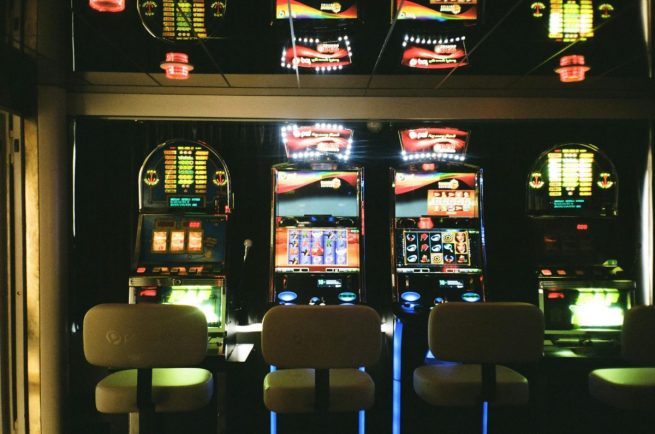
Responsible gaming means being in control of your behavior, expenditure, and expectations when taking part in gambling activities.
You can consider gambling one of your supplementary sources of income, which you have to pay for in order to gain pleasure from it, rather than a problem solution or a source of income in case of financial difficulties.
Early awareness is key. Many players will have a need for slots or other fast games due to the constant action. This can arise in an individual with or without pre-existing problems very quickly. Being aware of these urges early can help you address them using structure rather than reactions.
Smart gaming means preparation, self-observation, and strategic thinking. Once you have a good concept regarding how casino games work or what limits you are establishing for yourself, you will be safe from any negative impact.
Understanding of Probability and Inherent Risk
Chances occur in every type of game. Overall mathematical odds govern returns, favoring in the end one side—the casino. A winning streak is possible, a gambler will not win in the long run.
Random numbers and machines ensure that successive rounds are independent. One win does not beget another. One loss does not cry out for correction. Players who bet when they think they see patterns do not understand the concept of probability.
A clear perception of such conditions enables you to make informed choices. Instead of attempting to predict what an outcome will be, you commence working with behavior itself.
Planning limits before you start
Responsible gaming begins even before one places a single bet. First of all, one determines how much time and money one can afford to spend on gaming, and then one does not go over the limit whatever happens.
Effective planning involves the following rules:
● Set an upper limit on spending that never constrains essential expenditures
● Establish a set session length and stick to it.
● Try to avoid having cash on you or other means of payment.
● Consider what you lose as part of the price of playing
Such measures would rule out emotional gambling and the need to chase losses.
Controlling your emotions in casino gaming
Emotions play a great role in influencing betting decisions. Stress, boredom, frustration, or over-excitement may be the feelings that tempt you to overstep your self-imposed rules. A smart gambler controls his emotions as closely as he controls his bankroll.
When irritation sets in, you quit. When excitement becomes too much, you leave. Gambling will never be an avenue for relief from pressure, loneliness, or fatigue. Playing games with an agitated mind leads to regret.
Self-checks help to maintain control. Questions like “Am I still calm?” or “Am I sticking to my plan?” can interrupt risky behavior in time.
Precursors to problem behavior
A problem gambler will never develop gaming problems overnight. It will happen gradually through various little steps in personal affairs and behavior.
Typical warning signals include:
● Overspending
● Having sessions that extend beyond set limits
● Considerations of gambling during the conduct of other activities
● Discomfort of not being able to play
● Concealment of gambling activity from third parties
These are such signals that call for attention, not denial. Early intervention will help to reduce future consequences.
Steps towards regaining control
WARNING SIGN Practical Response
Indiscipline in spending Break completely and analyze finances
Affective betting Casino gaming when feeling stressed or fatigued
Abuse of time Establish alarm clocks and fixed timings.
Secrecy Talk openly with someone you trust
It is often found that simple measures can be quite effective in bringing desired changes, provided they are initiated early and applied consistently.
Picking games with foresight
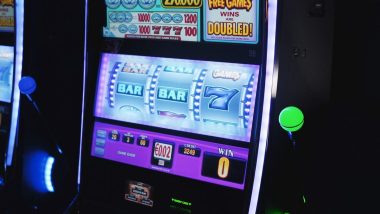
Game design drives behavior: fast-moving games encourage fast decisions and high rates of bets per hour, which erode self-control; slow-paced games allow more time to reflect and less opportunity for impulsive betting.
Some players will naturally prefer games involving constant motion and immediate results. Such a preference can be challenging when setting boundaries.
No matter what the game is, one thing remains constant: the mathematical superiority always favors the casino. More important than making good selections is discipline.
Disciplined handling of finances
The talk of gaming is where all your responsibilities begin with money management. Once gaming starts, it is considered that your budget is exhausted, and any profit obtained is considered additional income.
Good money habits are:
● Applying a dedicated budget for Gambling only
● “Avoiding Loans/Borrowed Funds”: As
● “Never increasing the stakes to recover losses”
● Recording the expenditures after each session.
Such habits lower pressure and promote rational thinking.
Keeping time awareness
Loss of time is a shared risk. A GA can narrow the attention, diminishing the awareness of time’s passage. Unstructured time can quickly become protracted.
To protect yourself, you should create reminders, allow for time-outs, and keep your gaming separate from your responsibilities. A balance is healthy for your well-being long term. Remember that a game can sometimes affect your life, work, or sleep negatively, even though it is an occasional play.
A healthy lifestyle brings in other activities that will give a sense of fulfillment and belonging. Gambling can be an option, too, but not the centerpiece.
Acting responsibly online
Excessive online gaming ensues with increased levels of access and privacy, thus shifting more responsibilities to the individual gambler. Accessibility could present an inherent link to impulsive behavior and gaming.
Smart digital habits would include:
● This will help keep your data safe by logging out at the end of each session.
● “Playing late into the night”
● *=play
● Disabling gambling activity notifications
● Personal expenditure record keeping
Therefore, these steps raise awareness and prevent automatic responses.
Early help-seeking
When a
It is not weak; it means that one is responsible. Many procrastinate out of embarrassment or fear of being judged. Early measures can prevent dire results. Talking to a counsellor, a support group, or someone trusted can be helpful. Open communication does away with isolation and helps set priorities. A professional can provide structure and ways to cope. Assistance with self-exclusion and the setting of limits is also crucial in difficult times. These steps help one make decisions when self-regulation is under strain.
Responsible thinking February
Responsible gambling is not a matter of skill but one of attitude. You learn, in other words, to operate with uncertainty, with self-imposed limits, and with an emphasis on playing in.
A healthy mindset brings about or comprises these qualities:
● Gambling: Considering it a Form of Entertainment
● Being able to take losses on board without reacting emotionally.
● Focus on control rather than victory
● S
● Not feeling guilty if one decides to take a break
Principles like these govern people’s conduct even in situations that are critical.
Conclusion
Smart playing requires knowledge and integrity as well as self-control. Every game involves gambling- a risk, but also a lessening of risk by informed playing. The outcome can’t be controlled, but decisions about playing can.
When you plan appropriately for it, controlling your emotions and honing boundaries, you can protect both your finances and your mental health. Responsible gaming in no way takes away your fun. It will keep your fun because you will maintain control where it belongs.