


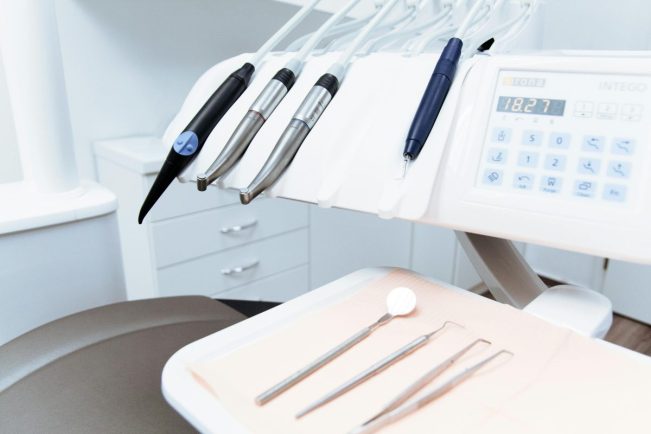
There is no shortage of guides online that tell everyday people what to do when it comes to their oral health and hygiene, but there’s a problem. These guides just don’t seem to be doing the job they set out to; otherwise, why do so many people still have sensitive teeth and dental problems?
To put this right once and for all, we’ve created a guide that talks to patients and dentists at the same time. By bridging the gap between the two, we hope we can get everyone pulling in the same direction like never before.
The Right Toothbrush Matters
Dentists need to educate their patients on different bristle strengths, orientations, and head sizes, and patients need to listen. The most effective way that this can be achieved is for dental practice managers to take a more proactive approach to stocking and presenting dentist-recommended products. You will see that this becomes something of a recurring theme throughout the rest of this guide!
Dentist-Approved Toothpaste Works
High-fluoride content toothpaste with a scientifically tested ppm level is essential, especially when you are attempting to repair and protect sensitive teeth. Regular application of concentrated amounts of fluoride to the surface of the teeth has been proven to help strengthen and protect tooth enamel. Practices that stock the correct toothpaste will be able to guide their patients with the minimum of effort.
Flossing Is A Simple Daily Habit
The end of a regular appointment is the perfect time for the dentist to demonstrate correct flossing technique and the importance of regular flossing. By showing the patient the correct way to floss so that they can see everything with their own eyes, the dentist is able to impart knowledge in a highly efficient manner. The experience of many senior dentists is that a quick practical demonstration leads to much higher adoption rates of a new habit than a purely verbal explanation.
Oral Irrigators Provide Assistance
A fine jet of water that can be targeted towards hard-to-reach places in the mouth is what an oral irrigator delivers, and more and more people are choosing to use them. There are also many dental practices across the country that now keep a stock of irrigators that they can then sell to patients. Doing so improves patient outcomes while also helping the business diversify.
Tongue Scrapers Are Recommended
The use of tongue scrapers can help to improve overall oral health by eliminating potentially harmful white growths that can appear on the tongue. Dentists should demonstrate the correct technique and show patients how much pressure to apply so that harm is not done to the complex surface of the tongue. Scrappers could then be displayed on the front desk so that patients who wish to can quickly and easily make a purchase while booking in for their next appointment.
Specialist Brushes Are Worth It
Many dental practice managers will order a specific type of interdental toothbrush from a nationwide supplier to make sure that they can always offer their patients the very best. These types of brushes can be used at home by the patients and are increasingly being used during appointments by the dentists themselves. Considering the use of interdental brushes to supplement regular brushing, flossing, and washing is certainly worth it.
The Humble Toothpick Still Works
No list of ideas and options would be complete without at least a passing mention of the humble toothpick. Other items on this list may be far more advanced or technical, but it’s the toothpick that so often does the job when you want to quickly remove debris. Making it a regular habit is a great way to ensure that food debris doesn’t have time to become a breeding ground for bacteria.
The Importance Of Consistency
No matter whether you’re a patient looking to improve your oral health or a dentist looking to help their patients, none of the above will make much difference if the execution is inconsistent. Focusing on establishing simple daily habits one by one, rather than trying to be perfect from day one, is the way to go here. If you are able to gradually build better habits, you will start to see all the little differences compound over time.
Patients who work their way through this list will be able to take back control of their oral health the smart way. Dentists who heed the advice and ideas above will be able to improve patient outcomes while also adding additional revenue streams to their practices.
Article written by Katie Howe