


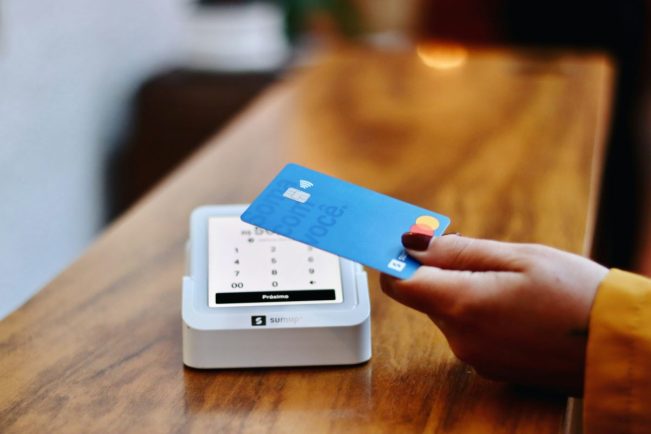
Walk down Redditch town centre on any given weekday and the signs are everywhere — card readers on market stalls, tap-to-pay prompts at coffee counters, QR codes beside till points. The way local businesses handle money is changing fast, and the shift is no longer gradual. It is becoming the new default.
Independent traders across Worcestershire are responding to clear customer demand. Post-pandemic habits have hardened into permanent behaviour, with many shoppers routinely leaving their wallets at home in favour of a phone or contactless card.
Which Redditch businesses are making the switch
The digital finance shift extends beyond card payments into wider privacy-aware platforms. Consumers who regularly seek out anonymous or low-friction digital experiences, such as those using a no kyc crypto casino, are part of a broader trend of people prioritising control over their financial data online. That same instinct is shaping how local traders think about the payment tools they adopt.
Hospitality businesses in particular have embraced the transition. Restaurants, cafés and takeaway shops increasingly depend on contactless systems to handle busy service periods efficiently, while independent retailers are using digital payment platforms to simplify accounting and reduce cash-handling risks. As consumer habits continue shifting toward convenience and speed, cashless infrastructure is becoming part of the standard high street experience rather than a niche alternative.
Local shops moving away from cash
Across the UK, one in seven high street businesses has gone fully cashless in the past year. Redditch’s retail mix — spanning independents in the Kingfisher Shopping Centre and businesses along the town’s smaller retail corridors — reflects this national momentum.
The national picture is striking. Cash now accounts for less than 10% of all UK payments, according to the latest data, as millions of consumers settle transactions digitally without a second thought. For high street independents in towns like Redditch, this creates a choice: adapt or risk alienating a growing portion of customers.
Smaller retailers have benefited from affordable smartphone card readers that make accepting digital payments straightforward without significant upfront investment. What once required a bank-installed terminal and a monthly contract can now be managed through a compact device costing under £30.
Digital privacy concerns among local traders
Not every business owner is entirely comfortable with the data trail that digital payments create. Card terminals log transaction times, basket sizes, and customer behaviour patterns — information that passes through third-party payment processors before it reaches a merchant’s account.
This concern sits within a wider national conversation. Researchers at Loughborough University warned in 2025 that the cashless transition risks leaving behind those who depend on physical currency, including older residents and people without reliable banking access. For Redditch traders mindful of their full customer base, that is a consideration worth taking seriously.
What the shift means for Redditch residents
For most residents, the change is largely positive — faster transactions, no scrambling for coins, and the convenience of mobile wallets that are now used by over half of UK adults at least monthly. The pace of adoption has been considerable, with contactless payments alone accounting for 39% of all UK transactions in 2024.
Yet Redditch, like many towns with an older demographic profile and limited banking infrastructure following branch closures, cannot afford to treat cashless as a done deal for every resident. Local traders who maintain both options — cash and card — are likely best placed to serve the town’s full range of customers as this transition continues to unfold.
Article written by Luc Gossens, a freelance writer and keen observer of Northern California’s wine country culture, seasonal traditions and small-town dynamics. With a deep interest in community vitality and economic resilience, they explore how winter events in places like Healdsburg sustain local identity, support businesses and enliven public spaces year-round.