


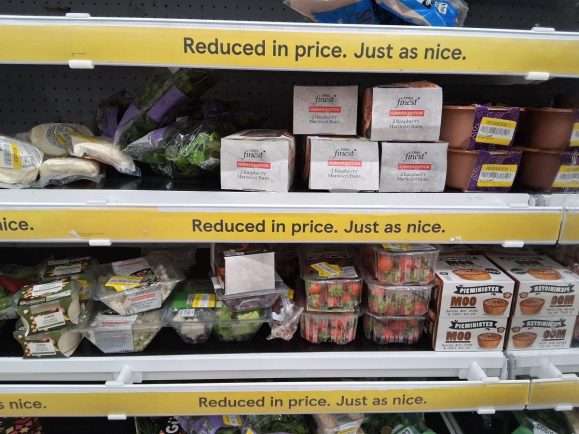
For many people in Redditch, questions about money feel more urgent than they did a few years ago. Rising food bills, higher borrowing costs, and pressure on household budgets have made residents look more closely at their savings and pensions. Understanding how risk and reward work can help people make sense of the financial choices they face, without needing specialist knowledge or experience.
What Risk and Reward Mean in Everyday Terms
In finance, risk is the chance that something may not turn out as expected. An investment might grow less than hoped for, or even fall in value. A reward is the possibility that it develops over time. The two tend to move together. Options that feel safer usually provide smaller returns, while those that offer higher potential gains can rise and fall more sharply. This balance influences the products many residents already use, such as workplace pensions and ISAs.
How This Balance Appears in Workplace Pensions
Anyone with a workplace pension will have seen its value fluctuate over time. These movements reflect how the markets behave rather than decisions made by the pension holder. Younger workers often have more exposure to investments like company shares, which can move up and down quickly but may deliver stronger long-term growth. As retirement approaches, funds commonly shift into steadier assets to reduce the impact of sudden losses. This built-in adjustment helps automatically manage risk, even for those who rarely check their pension statements.
Why Higher Potential Returns Involve More Uncertainty
Investments that aim for higher long-term growth tend to be more sensitive to short-term market changes. For example, a pension invested partly in shares may rise during periods of strong business performance, but dip when markets react to global events or shifts in confidence. These ups and downs can feel unsettling, yet they form a regular part of how markets function. Over long periods, these movements often smooth out, which is why pensions take a long-term view rather than respond to daily news. For those who explore more advanced financial products, such as CFD trading, these short-term market reactions can feel even more pronounced because CFDs respond directly to price movements. While they appeal to experienced traders, they also show how different products carry different levels of risk and are not designed for long-term saving.
The Role of Savings and the Idea of “Safety”
Savings accounts offered by high street banks remain a key part of many households’ financial plans. They provide stability, allow easy access to money, and protect the amount saved. That stability is valuable, especially for emergencies or near-term goals. However, savings usually grow slowly, and when the interest they earn falls behind rising prices, their real value can shrink. A family in Redditch saving for future costs may find that their money does not stretch as far as it once would have, even though the balance itself has not fallen.
Inflation and the Impact on Purchasing Power
Inflation affects nearly every aspect of daily life, from the weekly shop to energy bills. If inflation rises faster than savings interest rates, the money held in savings accounts loses purchasing power. This does not diminish the importance of saving, but it does highlight why people sometimes seek options with the potential for higher returns, despite the associated risk. For long-term goals such as retirement, understanding how inflation interacts with both low-risk and higher-risk options can be helpful.
Short-Term Changes Versus Long-Term Outcomes
Financial news often focuses on what markets are doing today, but long-term savers experience a different reality. Someone paying into a pension for twenty or thirty years will go through strong markets, weak markets, and periods of uncertainty. Over time, these highs and lows contribute to an overall pattern rather than standing out on their own. Many
pension holders in Redditch working in retail, healthcare, manufacturing, or logistics do not make daily investment decisions, yet they still benefit from this long-term approach.
How Spreading Risk Helps
Diversification, a common idea in investing, simply means not putting all money into one place. Workplace pensions do this by investing across different assets, such as shares, bonds, and property. This approach does not eliminate risk, but it reduces the impact of a single investment performing poorly. For everyday savers, the principle is helpful to understand: different products carry different levels of risk and reward, and combining them can help balance risk and reward.
How Life Stage Shapes Attitudes to Risk
People often feel differently about risk depending on their age and circumstances. Someone early in their career may be more comfortable with the ups and downs of higher-risk investments because they have time to recover from market dips. Those nearing retirement, or managing ongoing financial pressures, may prefer options that prioritise stability. These differences are normal and reflect the realities of managing household budgets, plans, and personal comfort levels.
Challenging Assumptions About “Safe” Choices
A common belief is that if an account cannot fall in value, there is no risk. While the balance in a savings account is protected, inflation can still erode its spending power. Another misconception is that any fall in the value of an investment signals a serious problem. In practice, short-term drops often reflect broader market movements rather than an individual fund’s performance. Understanding these points helps put everyday financial decisions into perspective.
Seeing the Bigger Picture
Residents across Redditch and Worcestershire face many of the same financial concerns: planning for retirement, protecting savings, and managing rising living costs. Knowing how risk and reward work can help people interpret the choices in front of them more clearly. It does not remove uncertainty, but it can provide reassurance when reviewing pensions, comparing savings products, or planning for future expenses.
Final Thoughts
Risk and reward shape nearly every financial decision, whether it involves a pension, savings account, or long-term plan. By understanding how they interact, residents can feel more informed when navigating an economic landscape that often seems unpredictable. Explicit knowledge makes it easier to focus on long-term goals and to approach financial decisions with confidence rather than concern.
Article written by Andy Brams.